
Mobile App Development: Connecting Your Business to Customers Everywhere
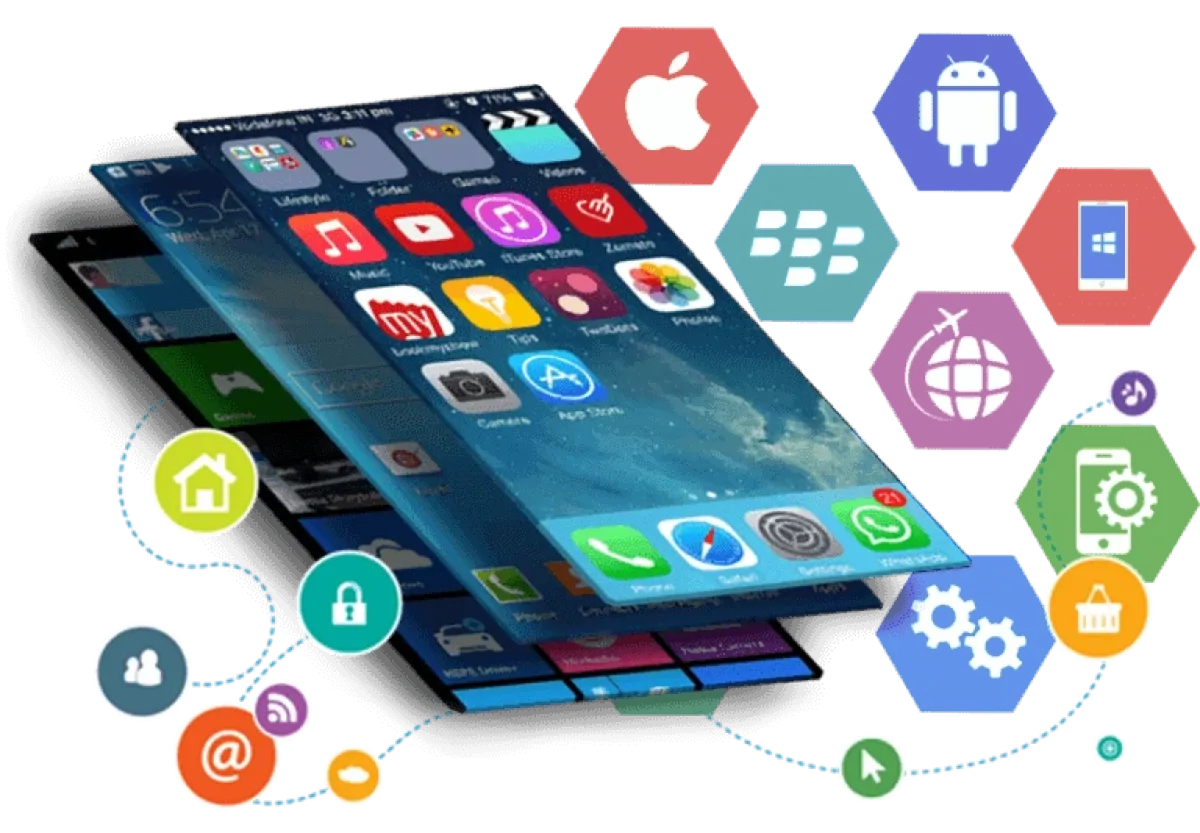
Mobile App Development: Your Gateway to Reaching Customers Anytime, Anywhere
Mobile applications have become an essential part of everyday life. Millions of people around the world rely on their smartphones for shopping, communication, business management, and accessing a wide range of digital services. As a result, having a professional mobile application is no longer an optional advantage—it has become a strategic investment that helps businesses strengthen their digital presence and build lasting relationships with their customers.
What Is Mobile App Development?
Mobile app development is the process of designing, building, and maintaining applications that run on smartphones and tablets, whether on Android or iOS platforms. This process includes understanding user needs, creating intuitive user experiences, and developing applications that deliver high performance, strong security, and long-term scalability.
A professionally developed mobile application is designed to provide exceptional user experiences while supporting business objectives and delivering real value to customers.
Why Does Your Business Need a Mobile App?
Today's consumers spend a significant portion of their time using mobile devices, making mobile applications one of the most effective ways to engage with customers directly.
Some of the key benefits of mobile applications include:
- Strengthening customer engagement.
- Increasing brand loyalty.
- Delivering instant notifications and promotional offers.
- Enhancing the overall user experience.
- Simplifying purchasing, booking, and payment processes.
- Collecting valuable user insights for better decision-making.
- Supporting long-term digital business growth.
Types of Mobile Applications
Choosing the right type of application depends on your business goals, project requirements, and target audience. The most common types include:
- Native Applications.
- Cross-Platform Applications.
- Progressive Web Applications (PWAs).
- Hybrid Applications.
Each approach offers unique advantages, and selecting the appropriate technology depends on performance expectations, development budget, and future scalability.
Technologies Used in Modern Mobile Development
Modern mobile applications are built using advanced technologies that ensure reliability, speed, and scalability. Some of the most widely used technologies include:
- Flutter.
- React Native.
- Kotlin.
- Swift.
- Firebase.
- REST APIs.
- PostgreSQL and MySQL.
- Laravel and Node.js for backend services.
Choosing the right technology stack ensures that applications remain secure, efficient, and ready for future growth.
Key Elements of a Successful Mobile Application
A successful application depends not only on a great idea but also on high-quality execution.
Essential characteristics include:
- A professional and user-friendly interface.
- Fast performance and smooth responsiveness.
- Advanced data security.
- Compatibility across multiple devices.
- Regular updates and continuous improvements.
- Scalability for future expansion.
- Seamless integration with external services and business systems.
The Future of Mobile Applications
The mobile application industry continues to evolve rapidly with the advancement of Artificial Intelligence (AI), the Internet of Things (IoT), Augmented Reality (AR), Virtual Reality (VR), and cloud technologies. These innovations are transforming how businesses interact with users and deliver digital experiences.
Modern applications are increasingly capable of providing personalized experiences by analyzing user behavior, preferences, and real-time data, resulting in smarter and more engaging digital solutions.
Conclusion
Mobile applications have become one of the most powerful tools for digital transformation. They enable businesses to deliver services more efficiently, improve customer engagement, and create meaningful competitive advantages.
When developed according to modern industry standards, a mobile application becomes a long-term investment that drives sustainable growth, strengthens brand value, and supports future business success.